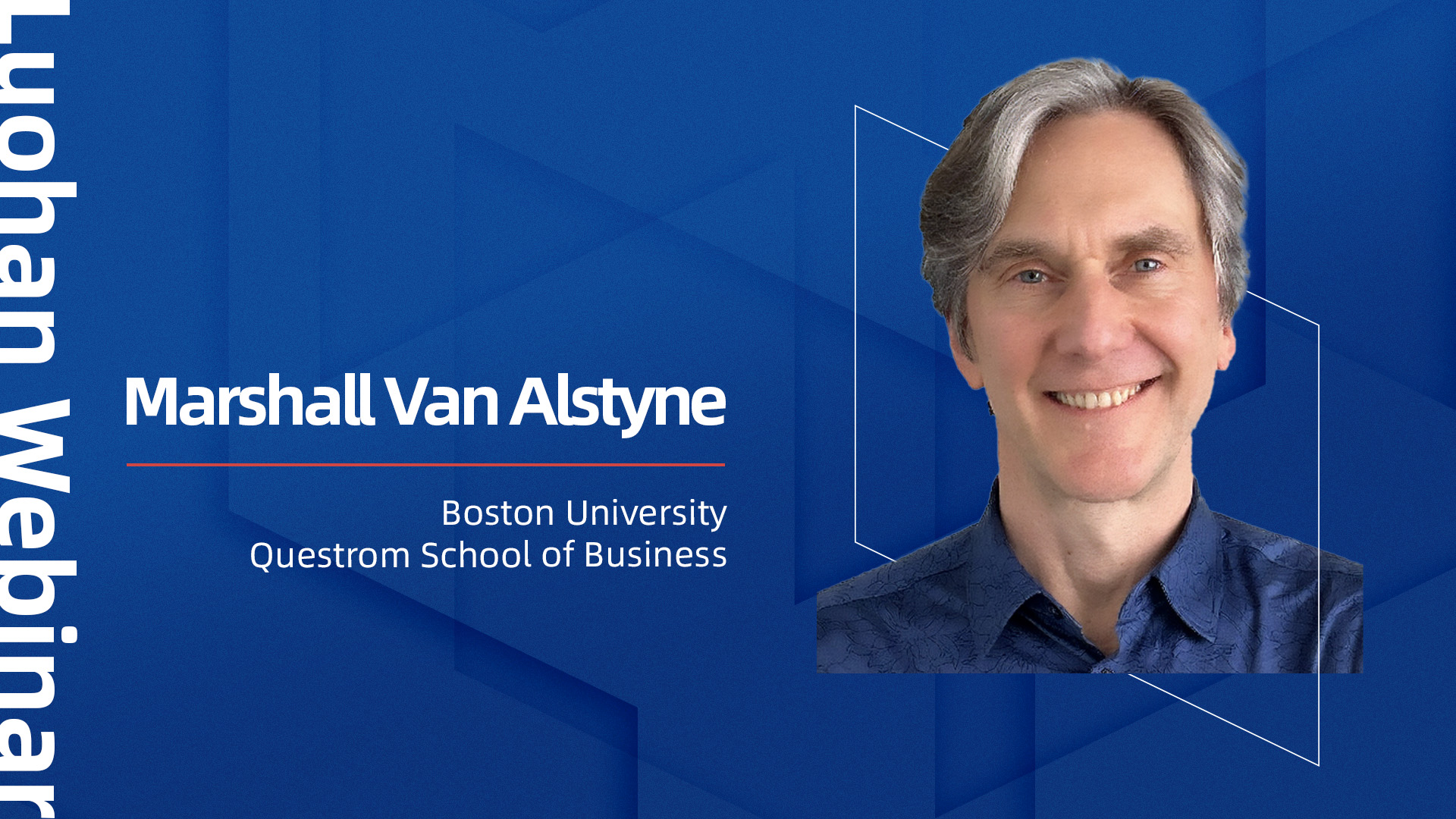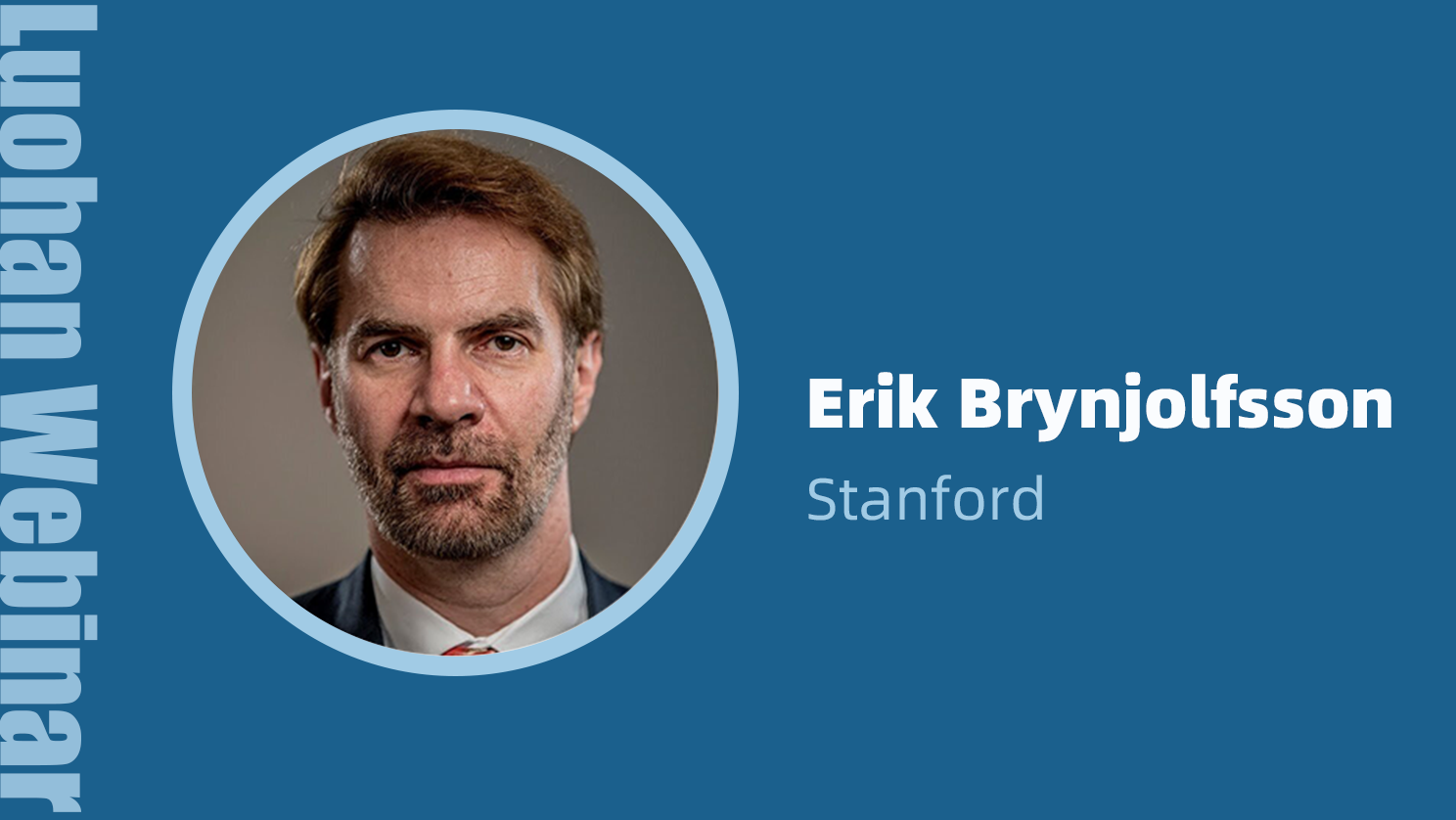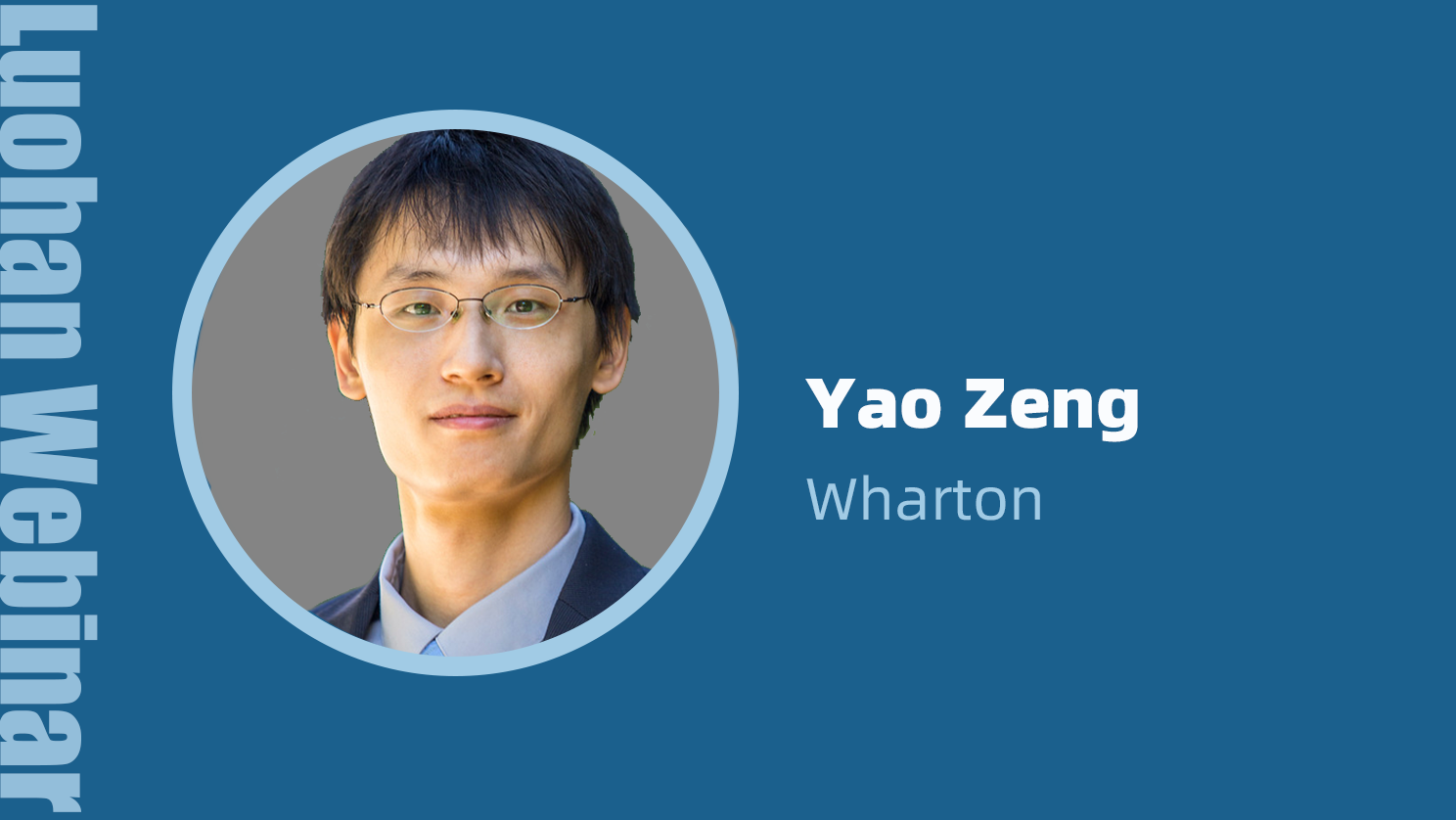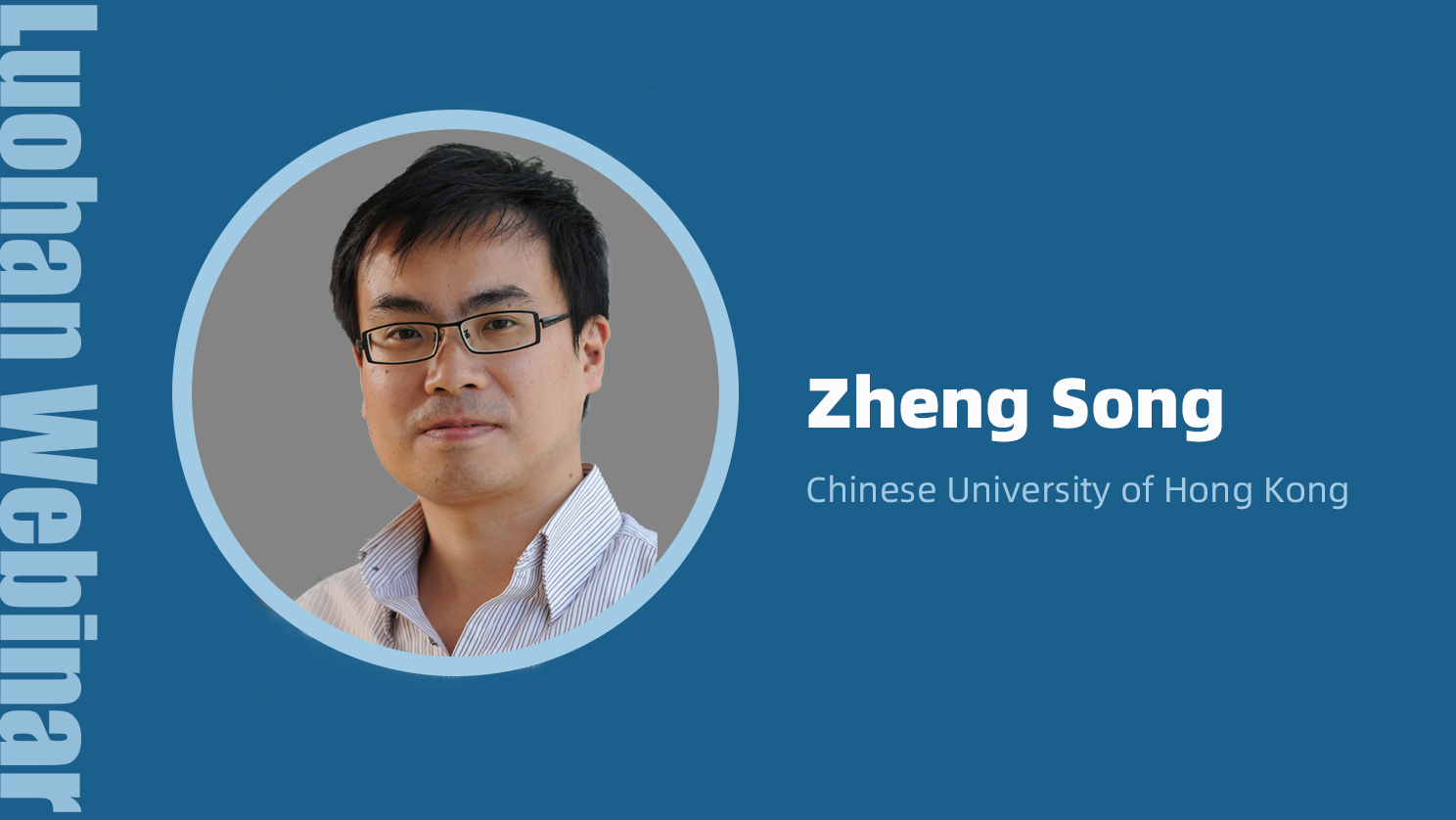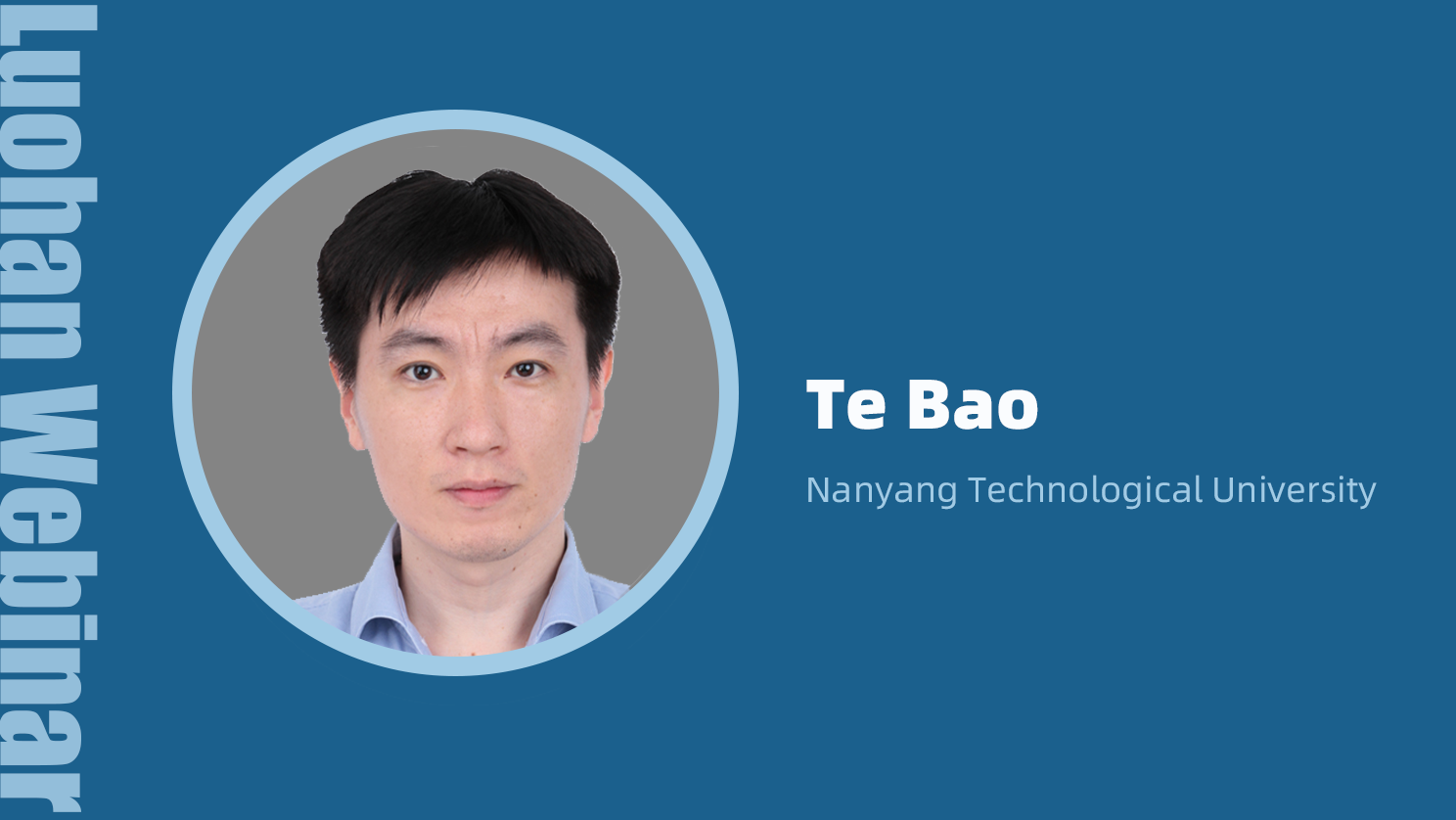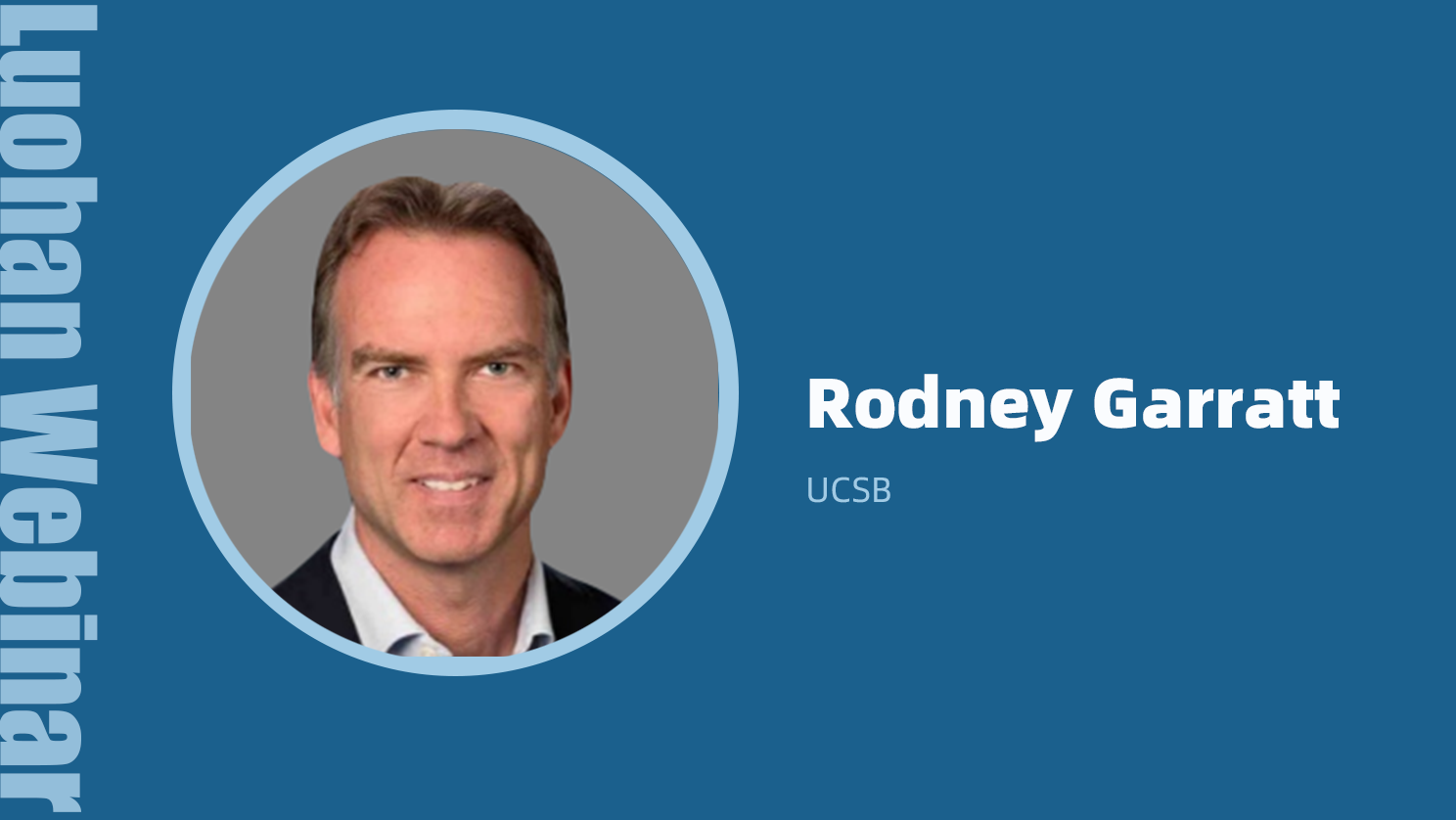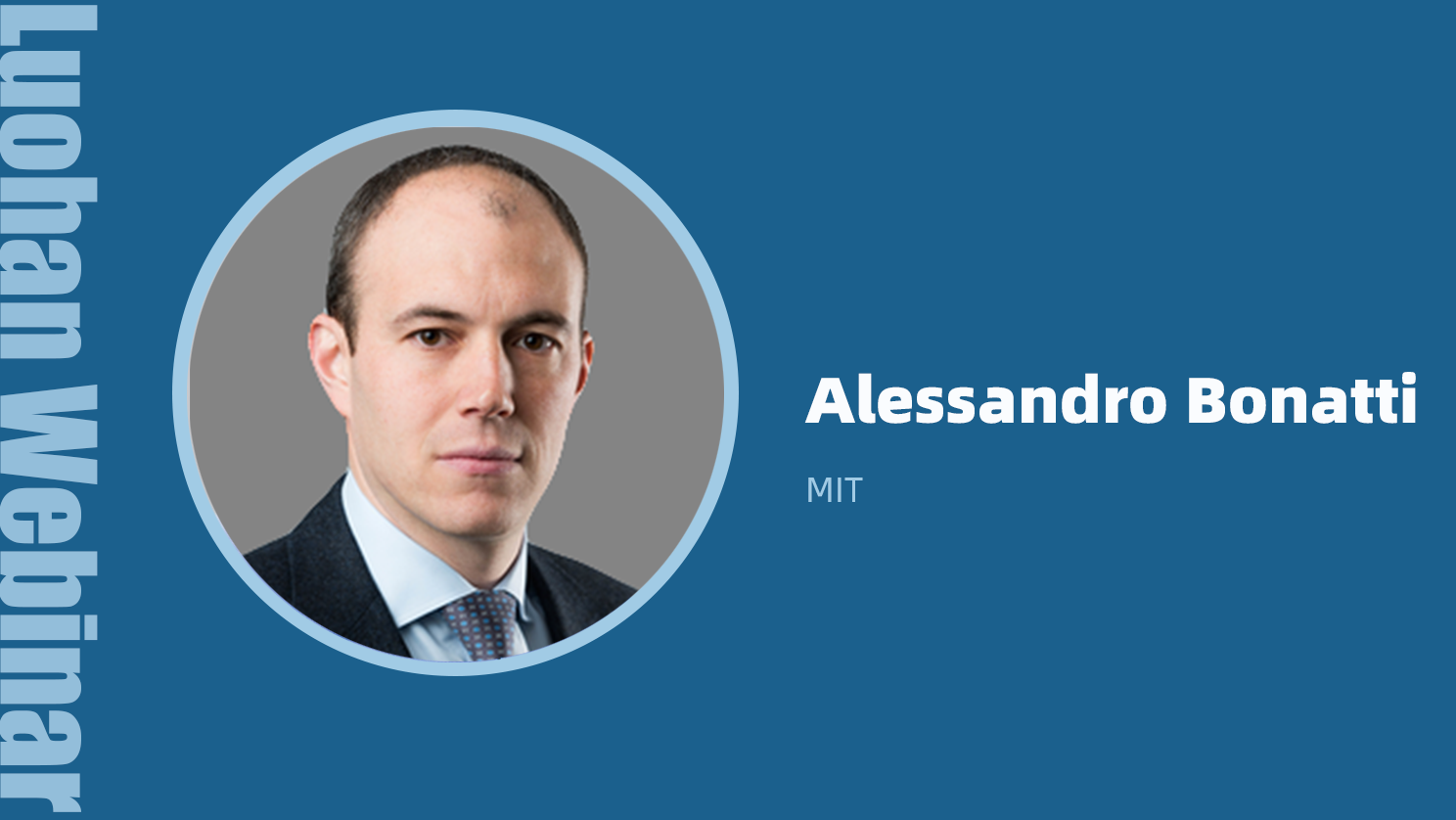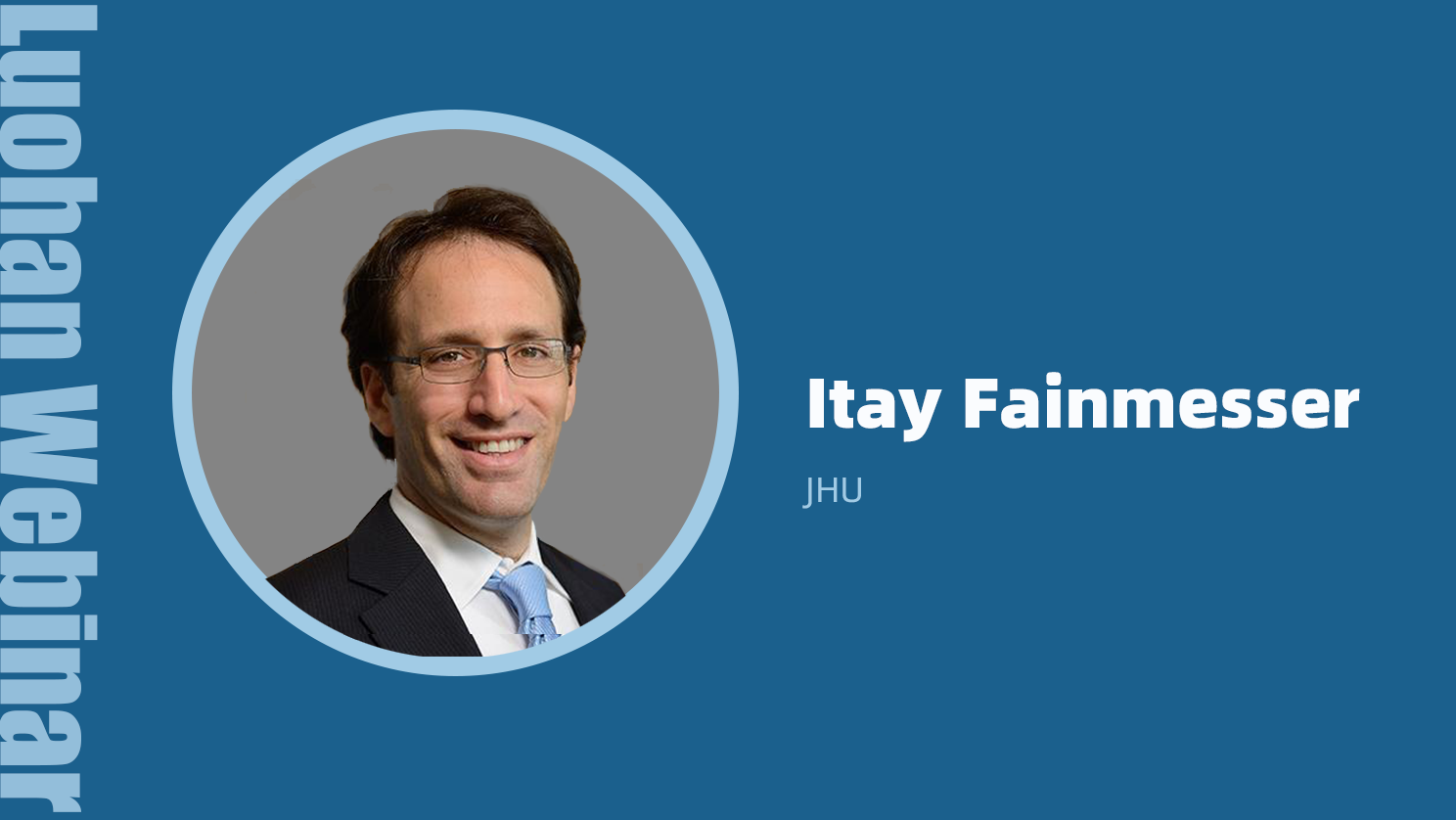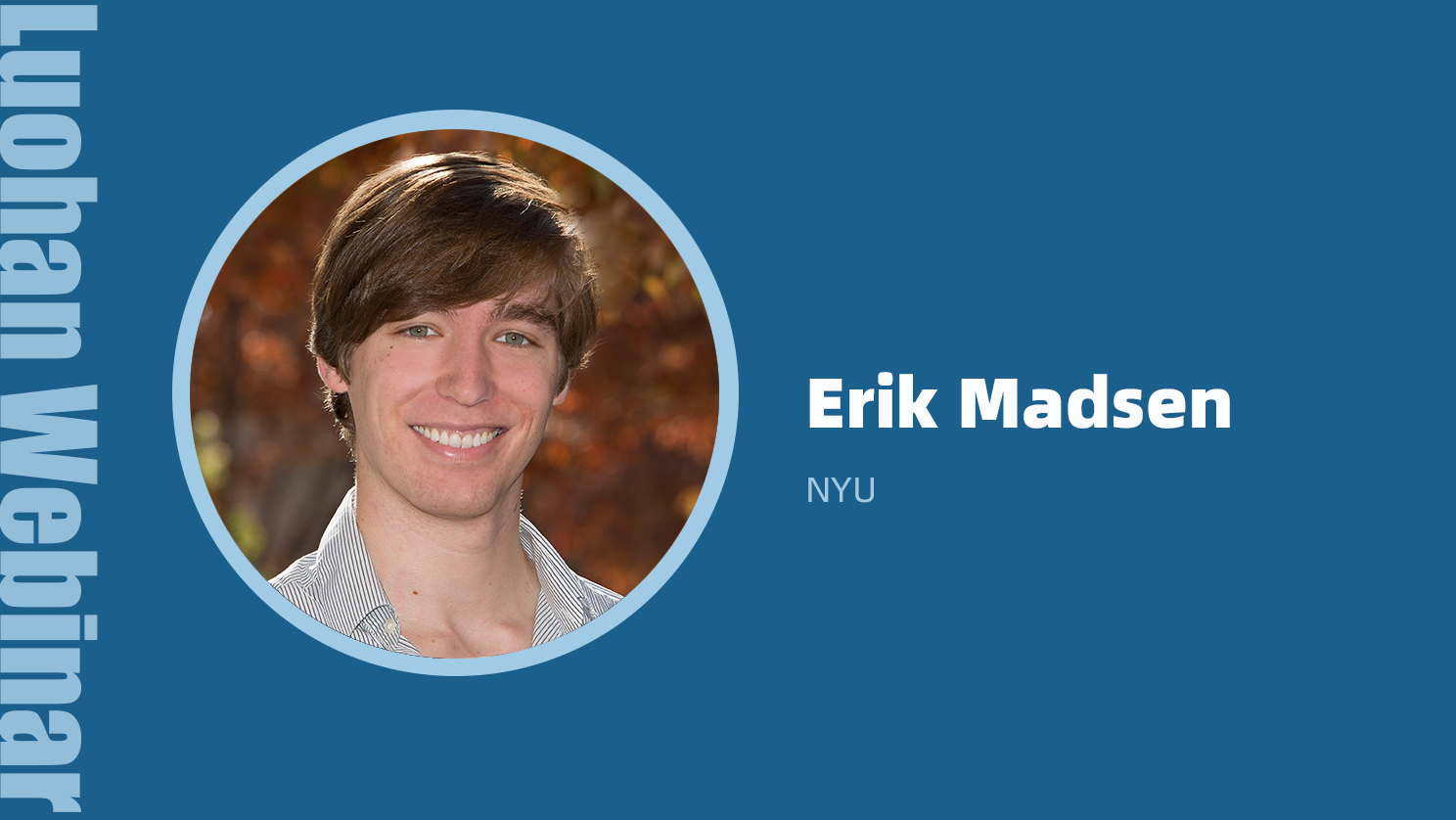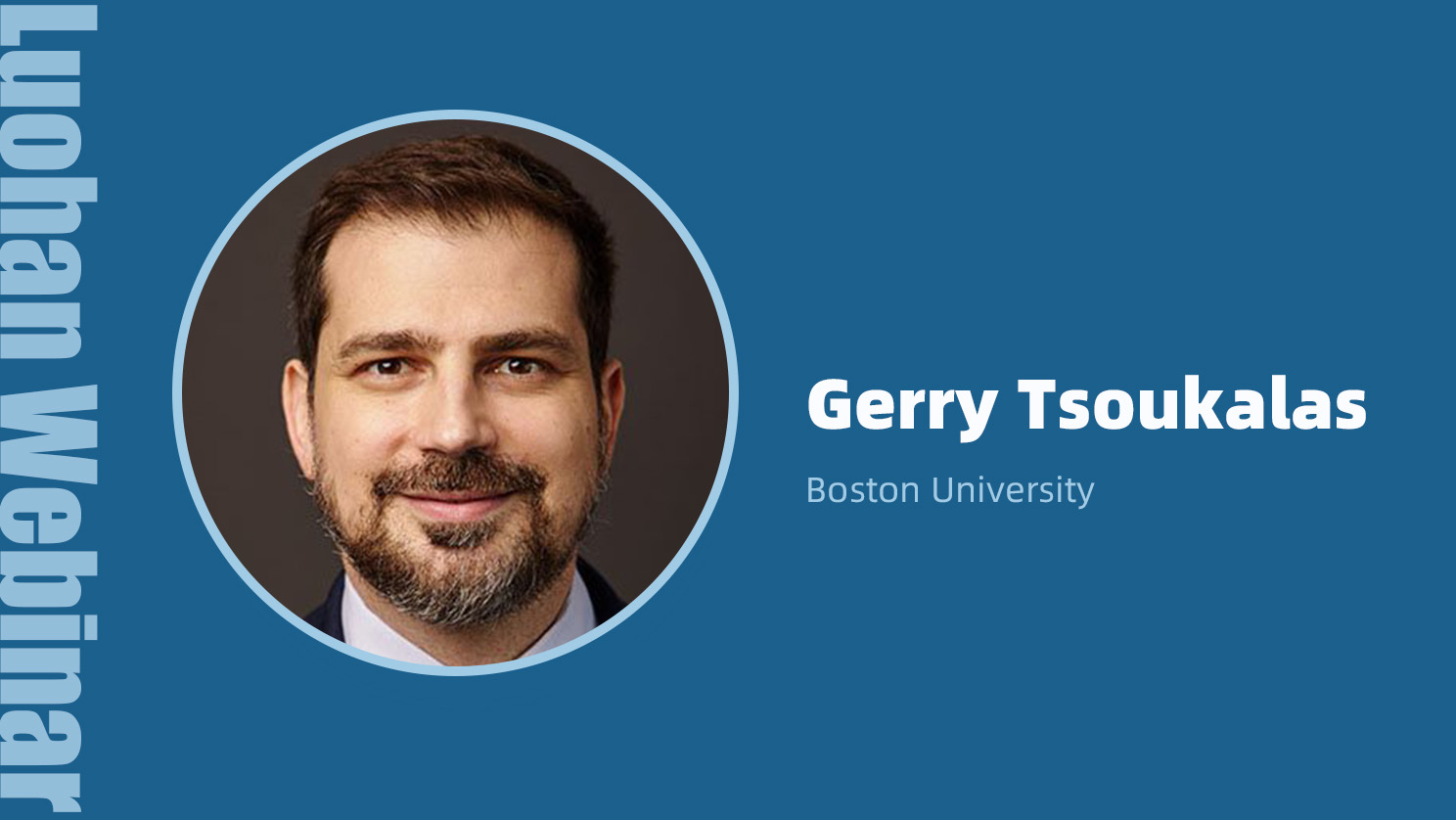
Gerry Tsoukalas is a Full Professor in the Information Systems Department at Boston University’s Questrom School of Business. He is also a Senior Fellow at the Wharton School, a Research Fellow at Cornell University’s FinTech Initiative, and a Fellow at the Luohan Academy. Recognized as a specialist in AI, digital platforms, and analytics, he was selected for the Thinkers50 Radar (2025). Professor Tsoukalas is also the co-founder of the Crypto and Blockchain Economics Research Forum (CBER).
Personal Website | Paper | Slides
Abstract
Recent work shows that pricing with symmetric LLM agents leads to algorithmic collusion. We show that collusion is fragile under the heterogeneity typical of real deployments. In a stylized repeated-pricing model, heterogeneity in patience or data access reduces the set of collusive equilibria. Experiments with open-source LLM agents (totaling over 2,000 compute hours) align with these predictions: patience heterogeneity reduces price lift from 22% to 10% above competitive levels; asymmetric data access, to 7%. Increasing the number of competing LLMs breaks up collusion; so does cross-algorithm heterogeneity, that is, setting LLMs against Q-learning agents. But model-size differences (e.g., 32B vs. 14B weights) do not; they generate leader-follower dynamics that stabilize collusion. We discuss antitrust implications, such as enforcement actions restricting data-sharing and policies promoting algorithmic diversity.
If you would like to give a presentation in a future webinar, contact our Senior Economist Dr. Wen Chen (wen.chen@luohanacademy.com). For other inquiries, please contact: events@luohanacademy.com.