

Frontier Dialogue #14
February 13, 2025
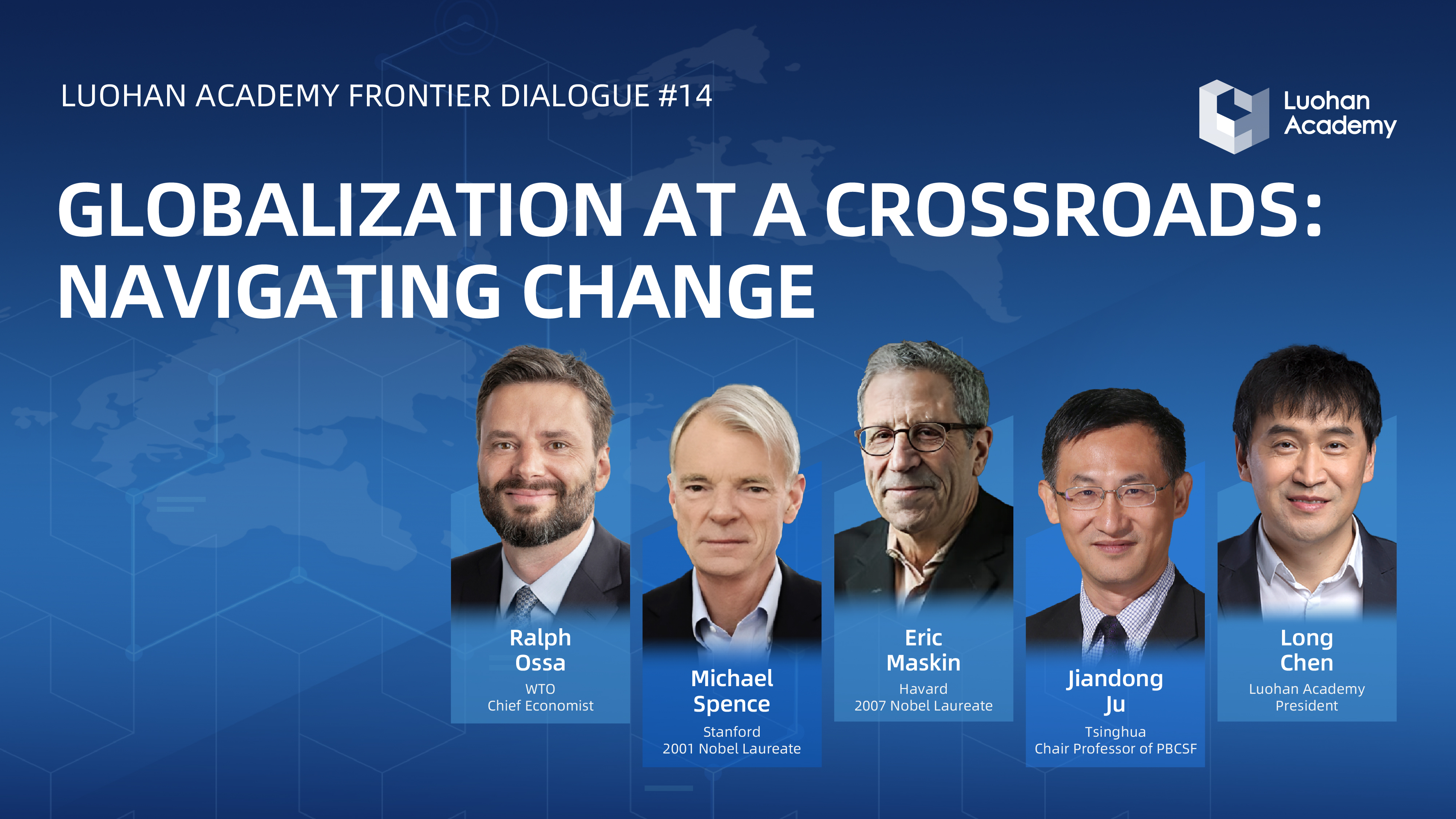
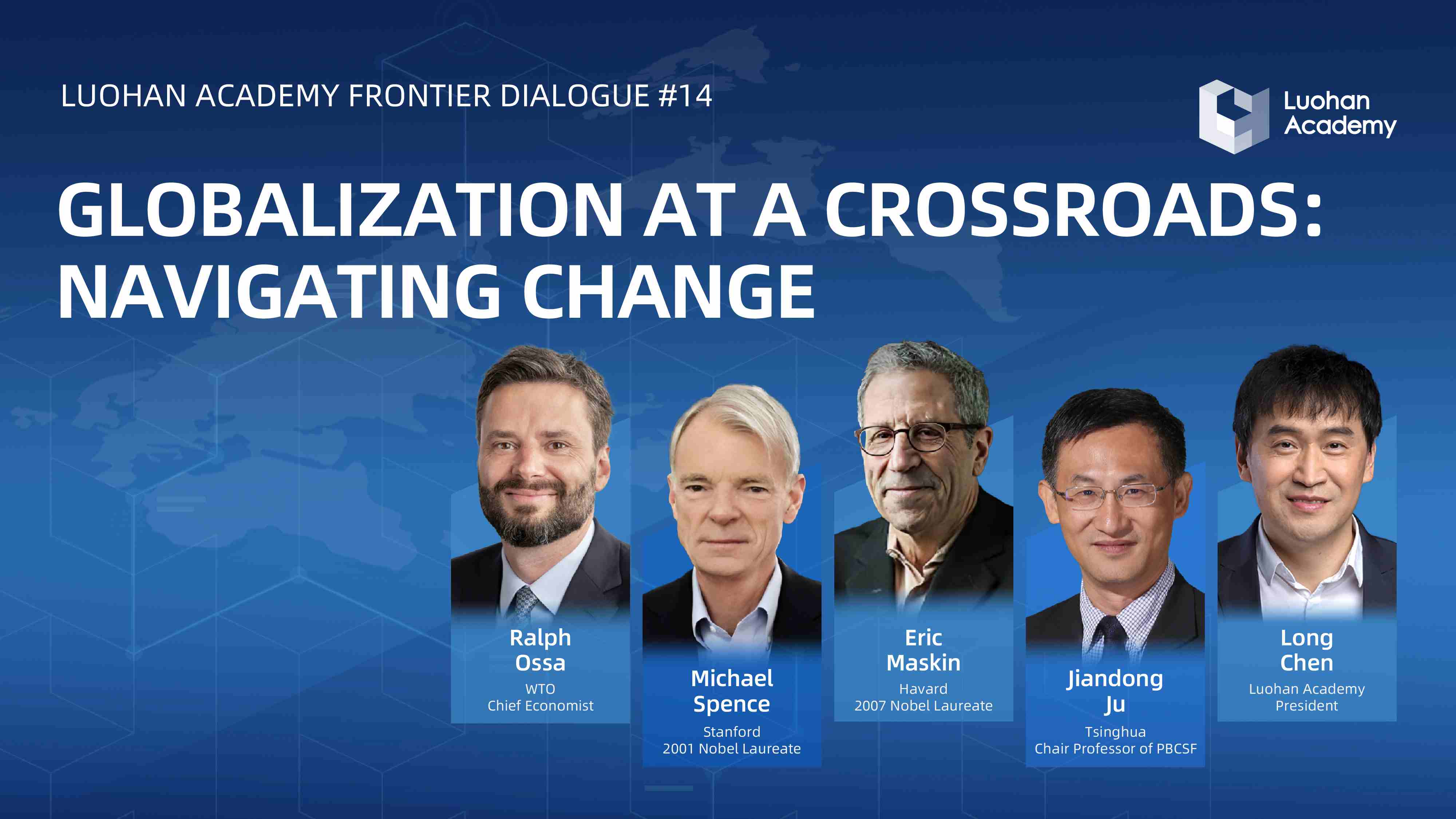
Globalization remains a driving force behind global economic growth, and it is entering a new stage marked by new driving forces and significant uncertainties. The shifting geopolitical landscape, especially with the upcoming agenda by the Second Trump Administration, is redefining the rules and boundaries of globalization, while the rise of multipolar growth marks a departure from traditional power dynamics.
At the same time, rapid advancements in digital technologies, particularly AI, are unlocking unprecedented opportunities for global connectivity and collaboration, as well as playing a key role in geopolitical shifts.
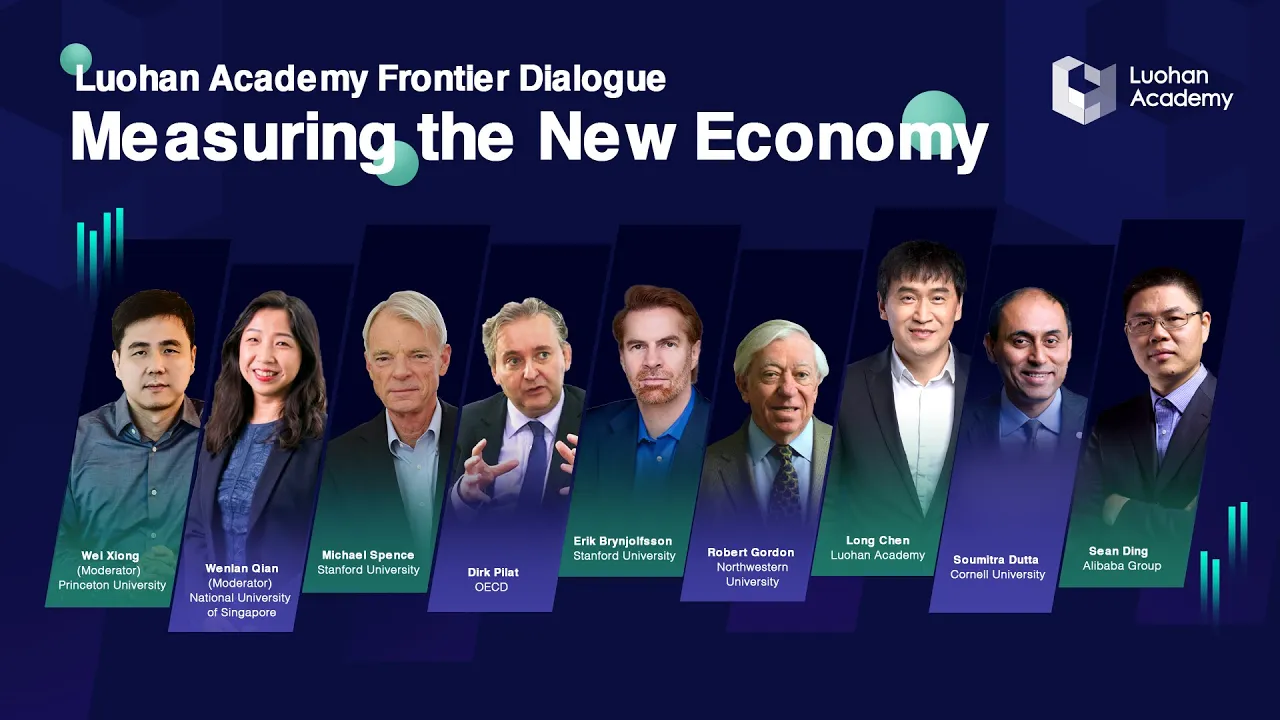
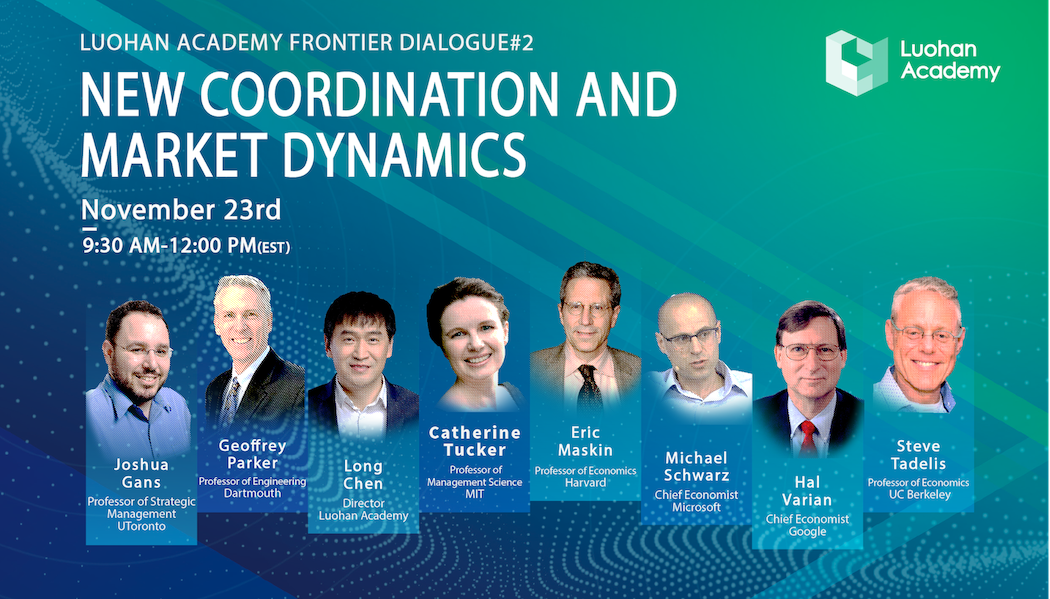
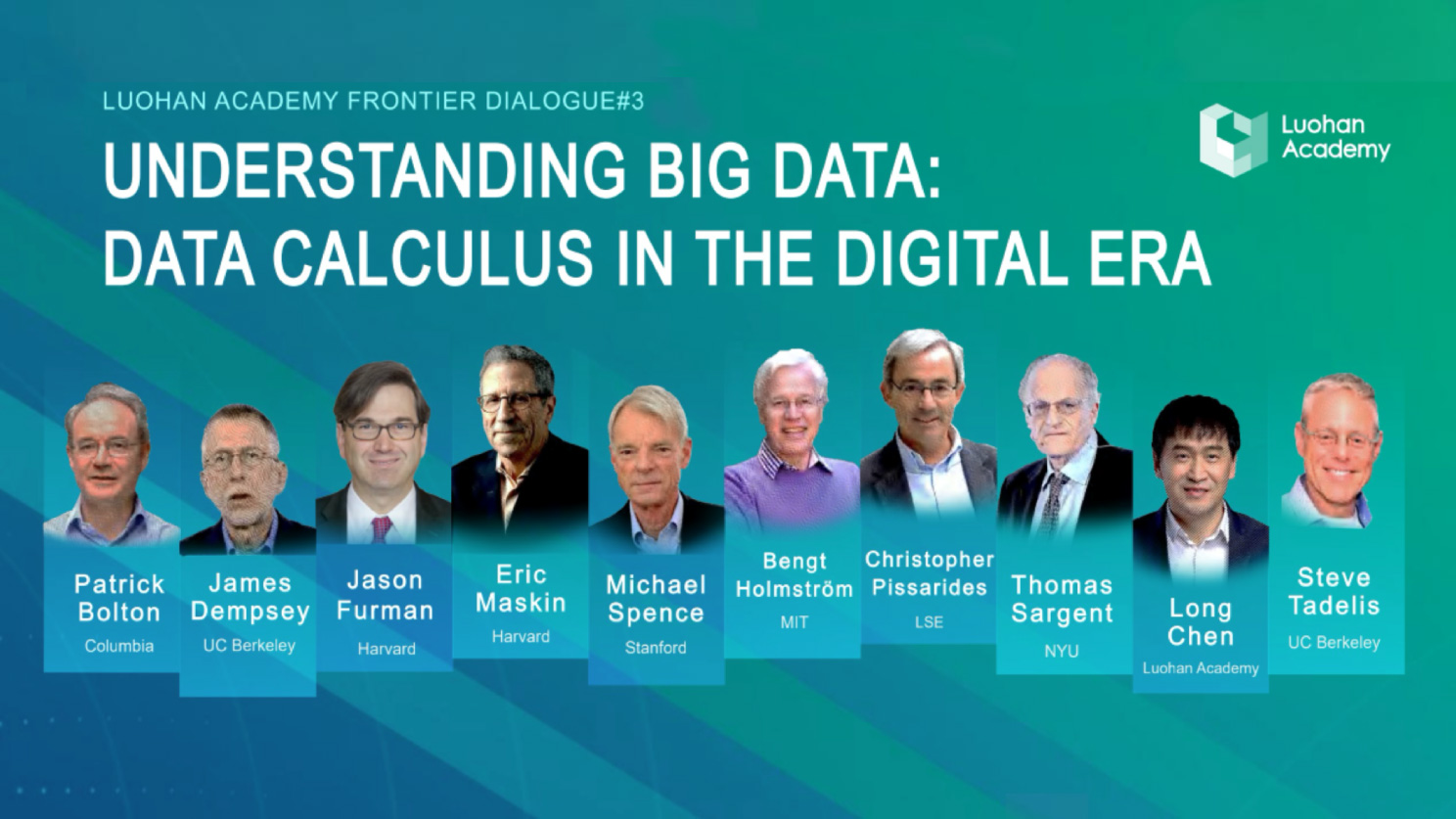
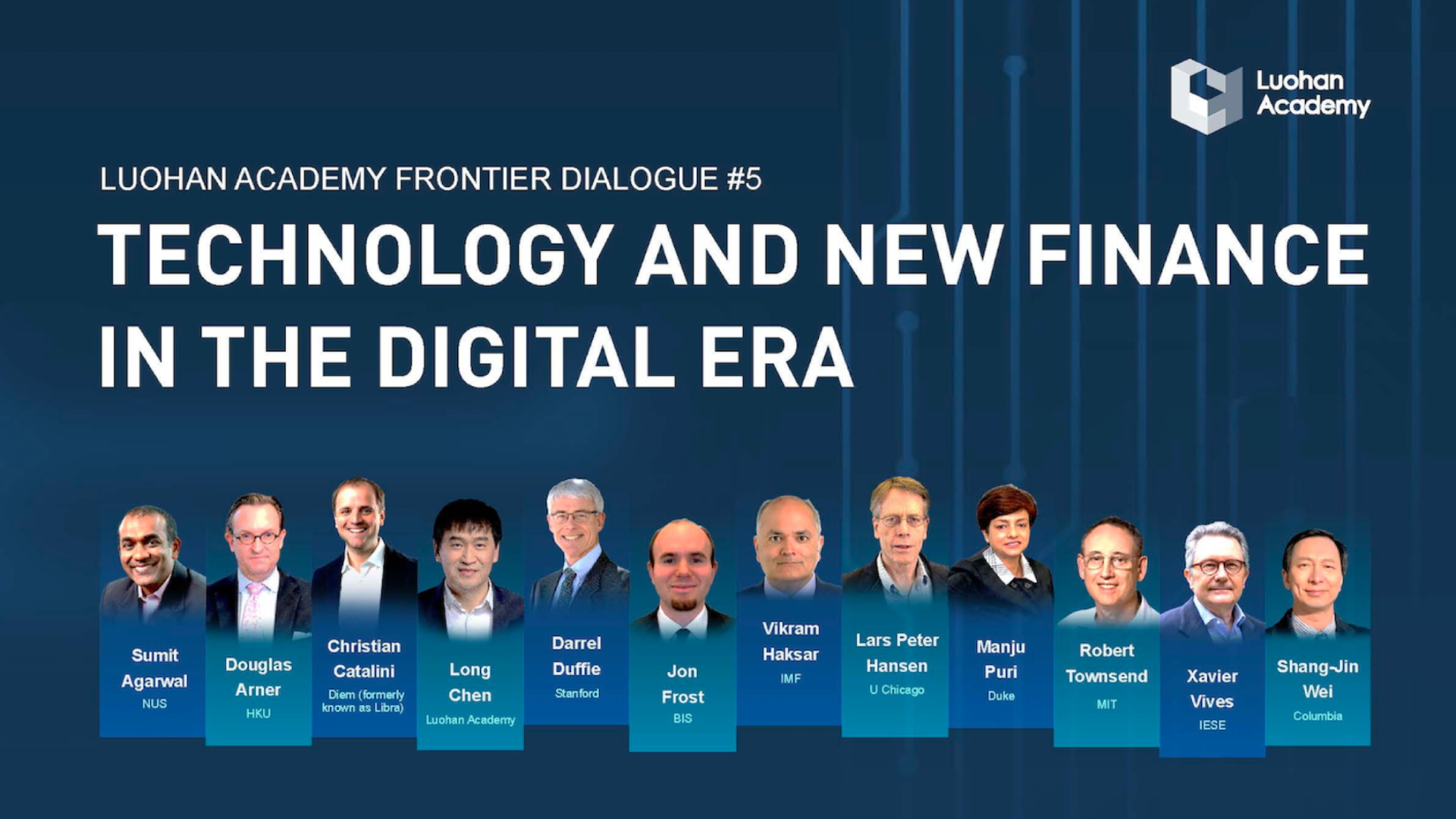
To this end, Luohan Academy organized Frontier Dialogue on Feb. 13th, 2025 to tackle these critical and pressing questions. This event will feature a distinguished panel, including two Nobel Laureates, alongside leading policy researchers, thought leaders and practitioners in the field, promising an engaging and insightful dialogue.
Panel I




Panel II Open Discussion and Q&A


Luohan Academy © 2024 Luohan Academy Service Agreement 浙ICP备2024120373号-1