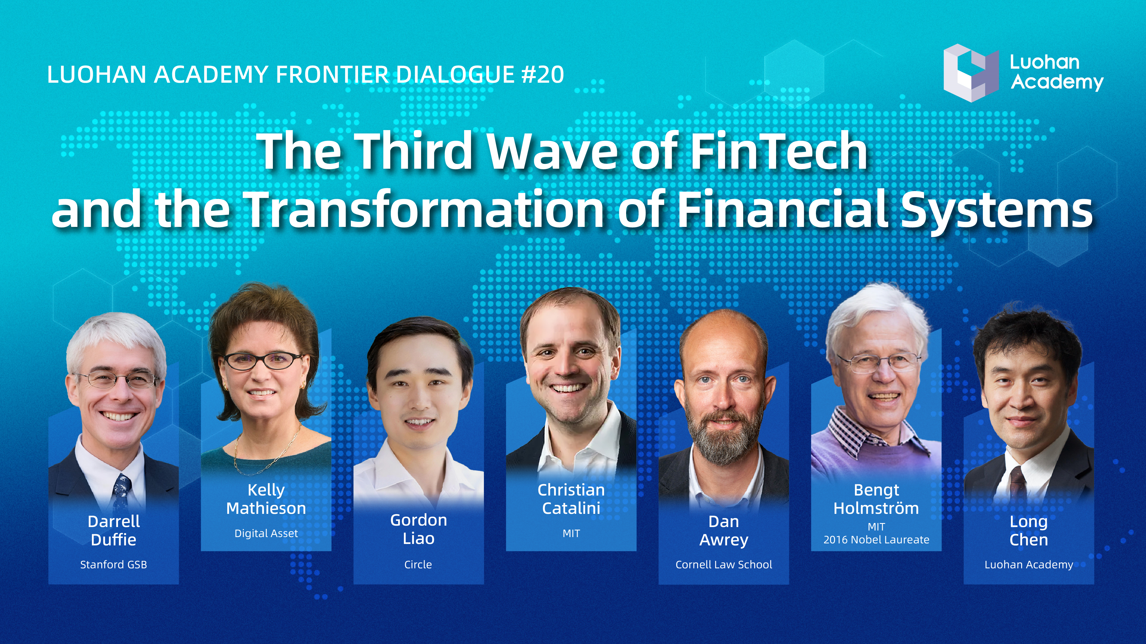
The information revolution is profoundly reshaping the world through, sequentially, the internet, blockchain, and AI. These three waves are now converging into what we call "the Third Wave of FinTech." While blockchain and AI are bound to comprehensively transform finance, different countries and jurisdictions around the world are exhibiting sharply distinct approaches to integrating these technologies into their financial systems. Thus, we are witnessing a profound regulatory and strategic divergence among the US, Europe, and Asia regarding the future of global financial infrastructure.
There are compelling reasons why these divergent paths are emerging, as the integration of frontier technologies introduces systemic uncertainties. To navigate this shifting landscape, this session of our Frontier Dialogue will explore three central questions:
1. Systemic impact: How does rapid technological innovation reshape financial stability and regulatory compliance frameworks?
2. Monetary co-existence: What is the future of the competitive, tension-filled relationship between sovereign fiat currency and private digital money (such as stablecoins and cryptocurrencies)?
3. Institutional redesign: How should we redefine the roles and boundaries of financial institutions including central banks, balancing traditional incumbents with emerging alternative players?
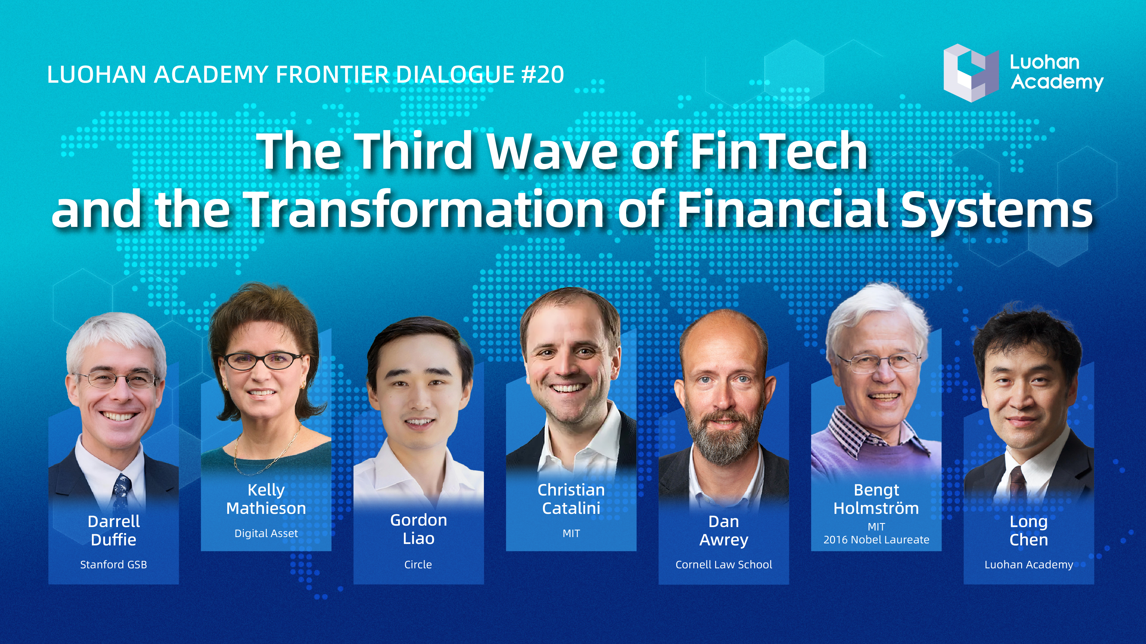
To tackle these issues, we have gathered a distinguished panel of leading researchers and practitioners.
Panel I keynote Presentations
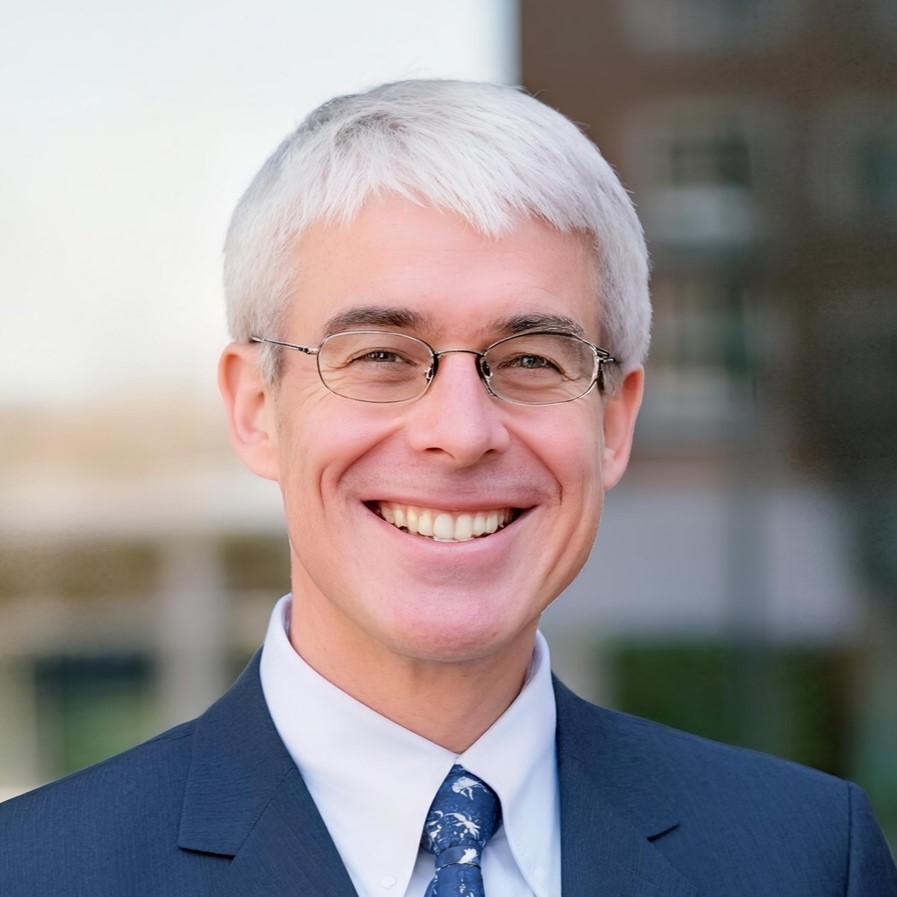
The Tokenization of Finance
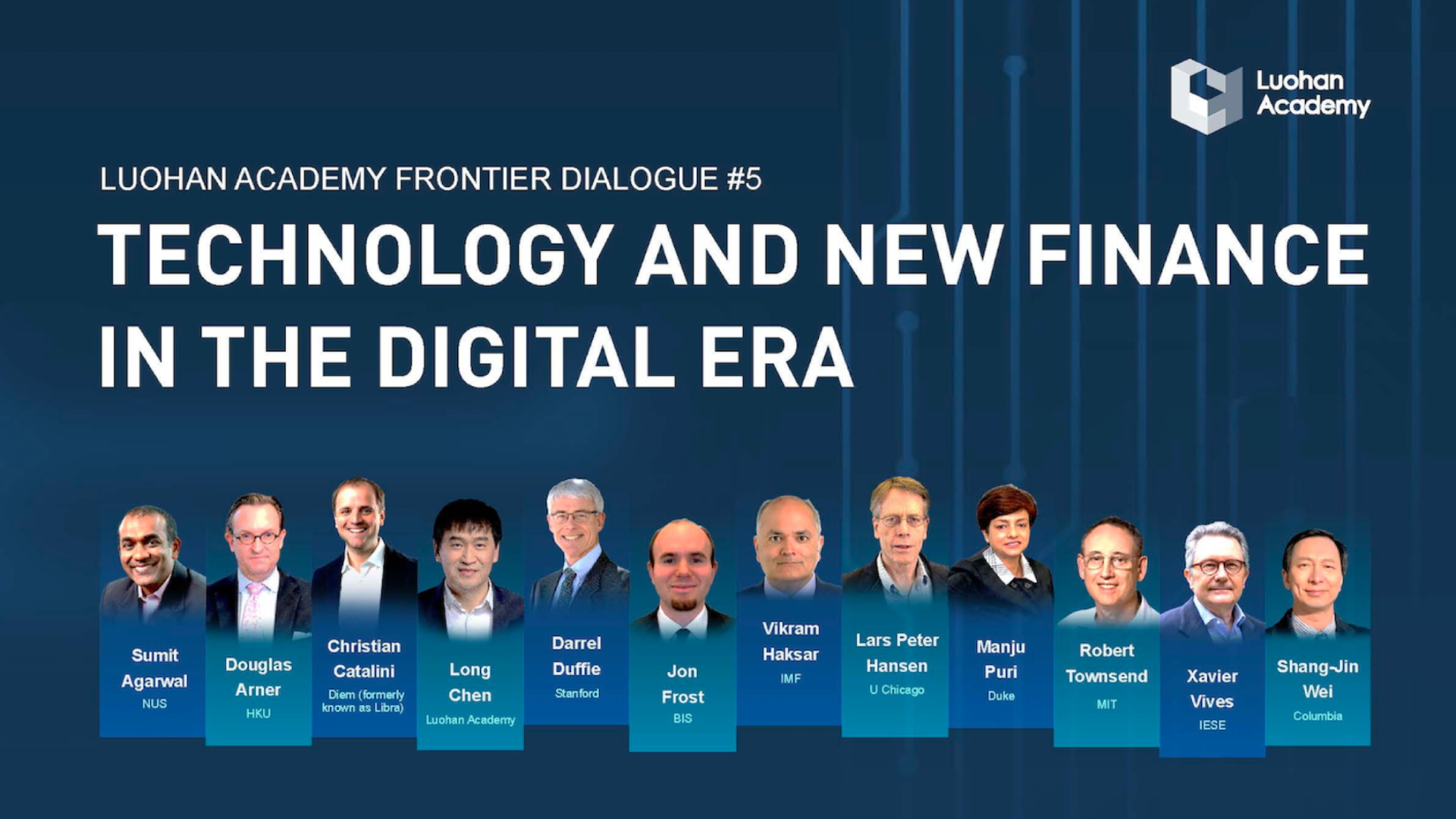
Speaker: Darrell Duffie (Stanford GSB)
Professor Duffie is the Adams Distinguished Professor of Management and Professor of Finance at Stanford University. Drawing on his extensive academic and policy expertise, he will unpack the relationship between this new wave of FinTech and the potential transformation of the financial system, assessing its underlying economic logic, pace, and systemic impact.
Building Next-Generation Financial Networks: Verifiable and Programmable Ledgers
Speaker: Kelly Mathieson (Digital Asset)
Ms. Mathieson is the Chief Business Development Officer at Digital Asset, playing a pivotal role in the development of the Canton Network and programmable ledgers. Providing a front-line industry perspective, she will assess the commercial progress, predictable trends, and practical operational challenges of deploying these programmable networks in the real economy.
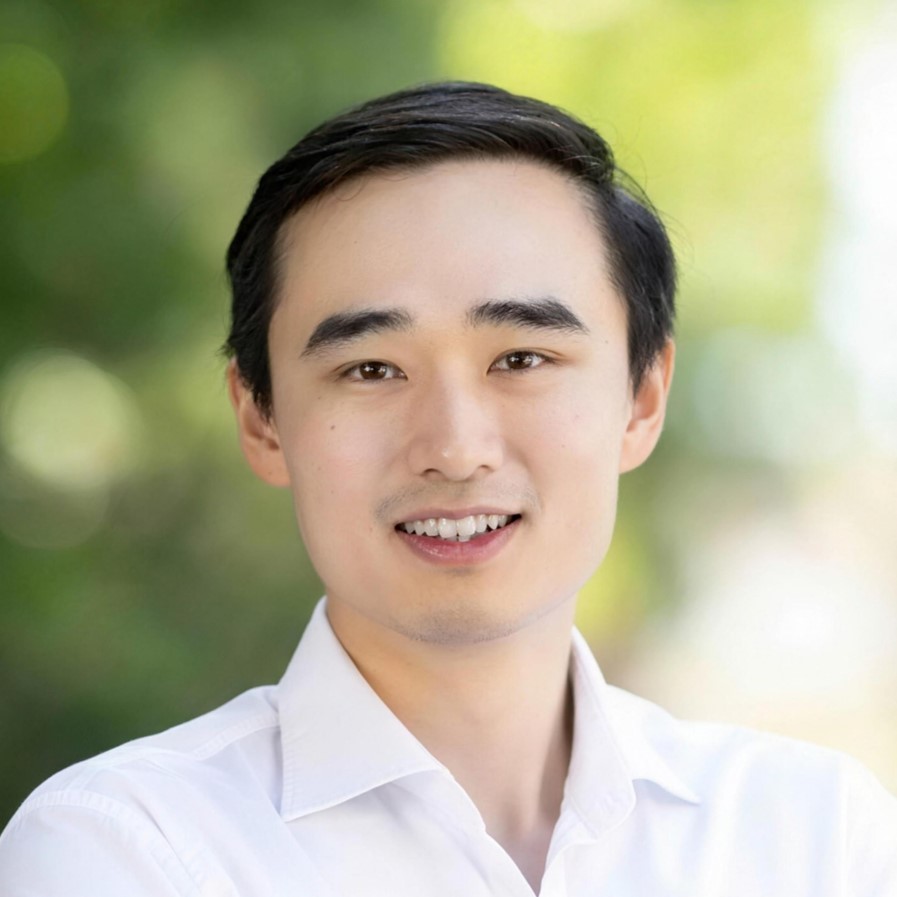
The Rise of Agentic Commerce: From machine-executed to machine-initiated
Speaker: Gordon Liao (Circle)
Dr. Liao is the Chief Economist and Head of Research at Circle. Having previously served as an economist at the Federal Reserve Board and led research at Uniswap, he brings a rigorous empirical perspective to the evolution of decentralized markets. Drawing on recent trends in stablecoin transactions, he will unpack the operational shift toward a financial ecosystem where commercial activities are increasingly initiated autonomously by AI agents.
The Verification Challenge
Speaker: Christian Catalini (MIT)
Dr. Catalini is the founder of the MIT Cryptoeconomics Lab and a co-founder of Lightspark. As a co-creator of Diem (formerly Libra) and former Head Economist of Meta's FinTech division, he has been at the vanguard of designing global digital payment systems. He will discuss how rapid progress in AI renders trust and verification the ultimate economic bottlenecks, outlining how cryptographic infrastructure must fundamentally evolve to secure these new agentic networks.
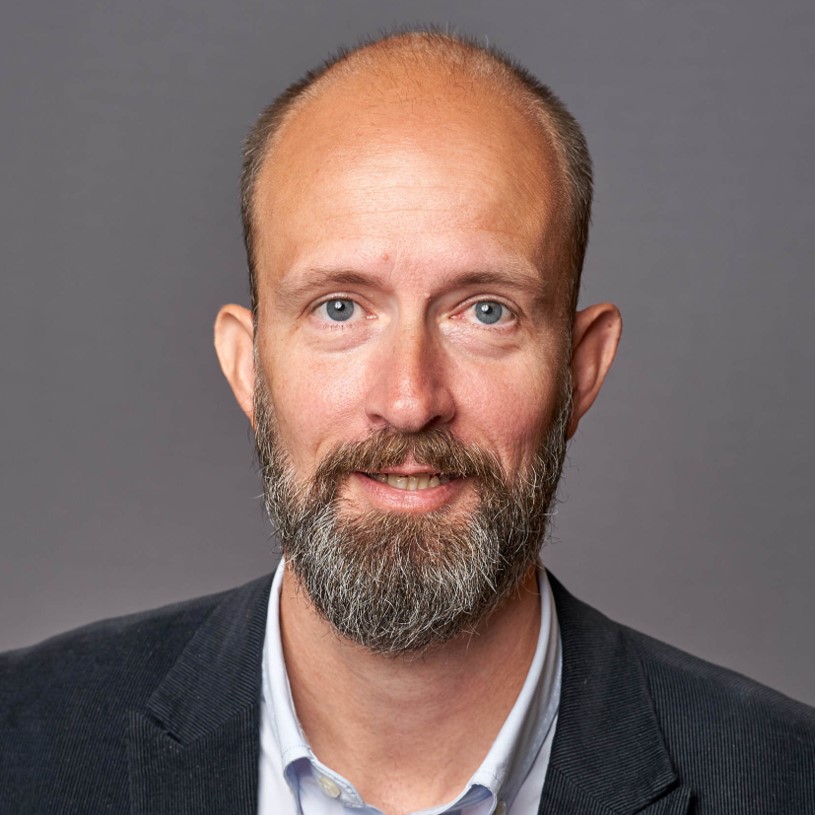
Regulating the New Financial Architecture
Speaker: Dan Awrey (Cornell Law School)
Professor Awrey is a leading legal scholar at Cornell Law School specializing in monetary law, financial regulation, and the future of payments. Drawing on this deep expertise, he will examine how the emergence of this new financial architecture challenges traditional legal frameworks, dissecting the strategic pathways and regulatory frictions that shape the path forward.
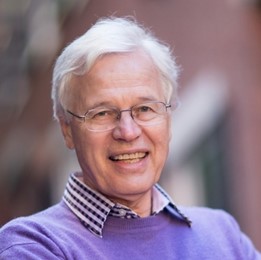
Concluding Thoughts
Speaker: Bengt Holmström (MIT)
Professor Holmström is the Paul A. Samuelson Professor of Economics at MIT and a Nobel Laureate. Bridging the discussions from the panel, he will offer concluding thoughts on the fundamental institutional economics, contract theory, and structural trust underlying these emerging financial architectures.
Panel II Panel Discussion and Q&A
Speaker: All participants