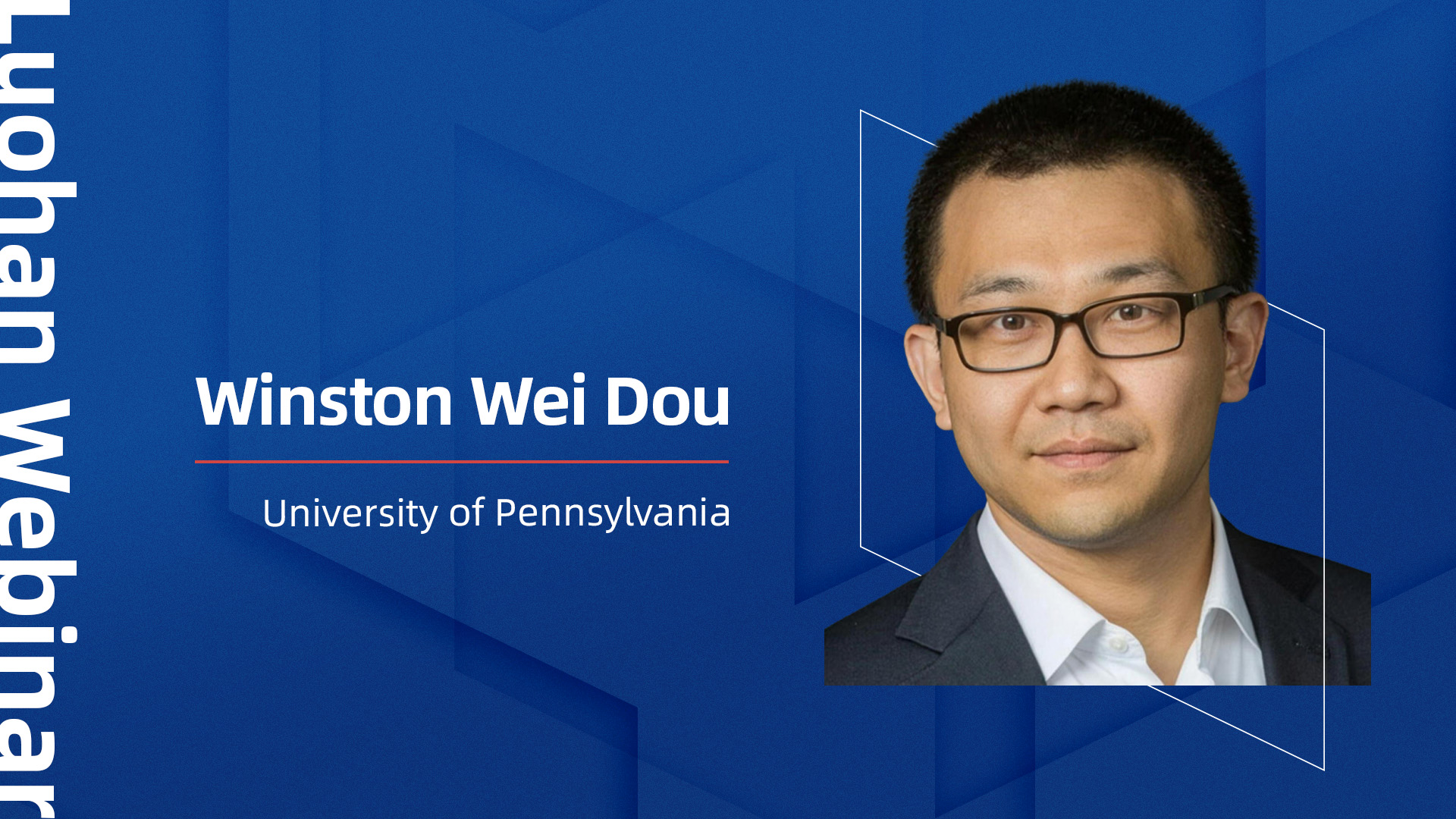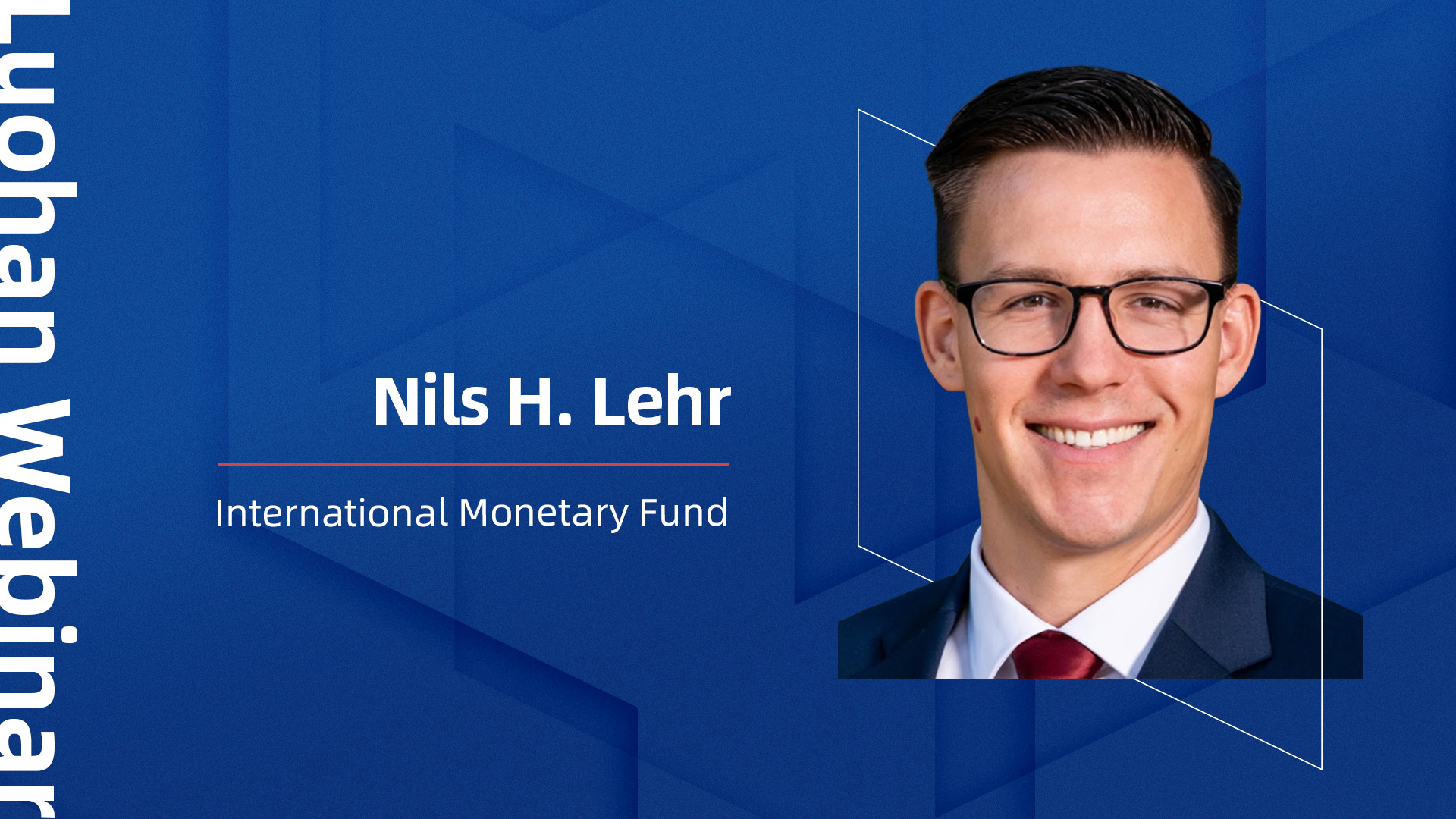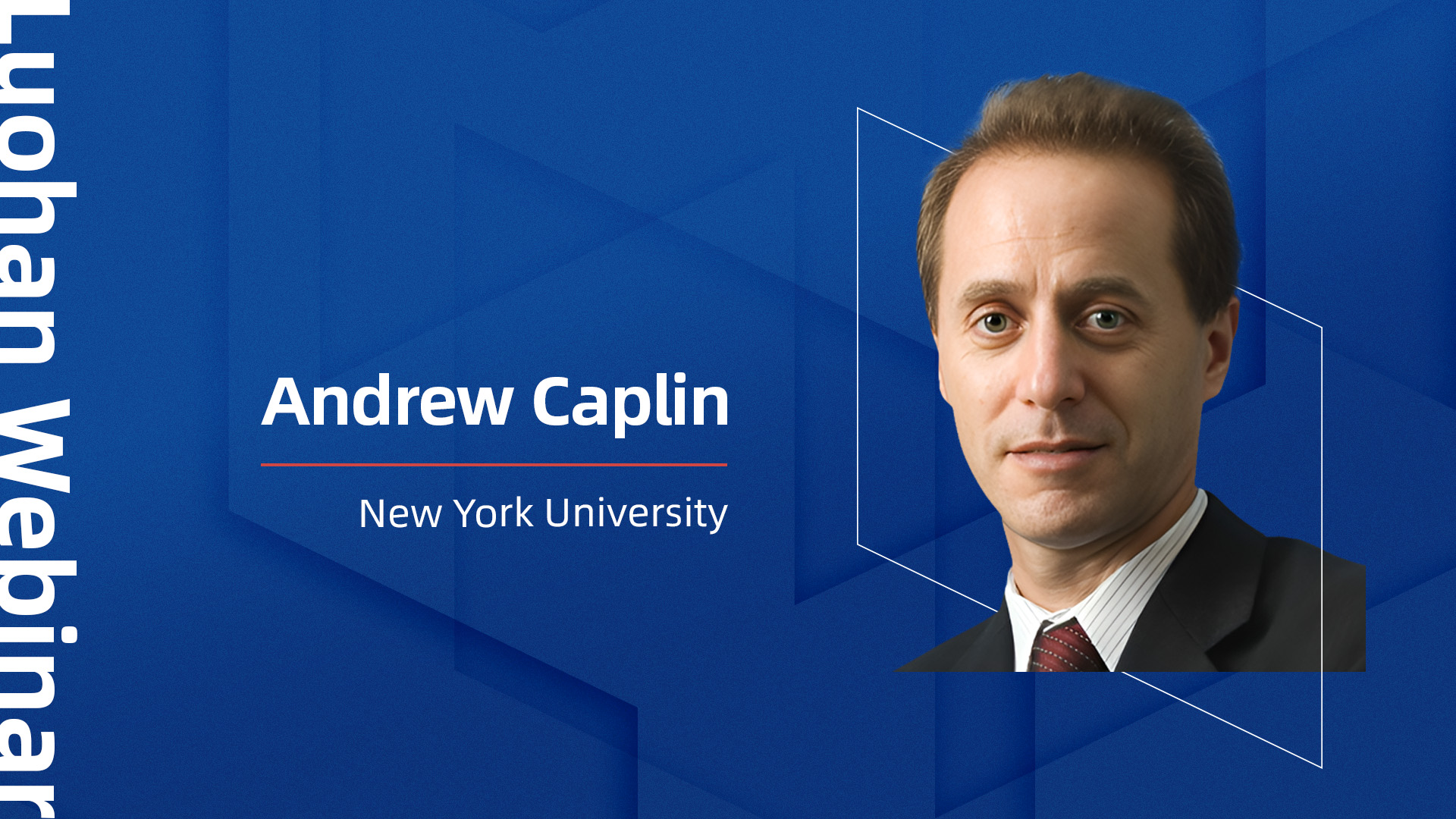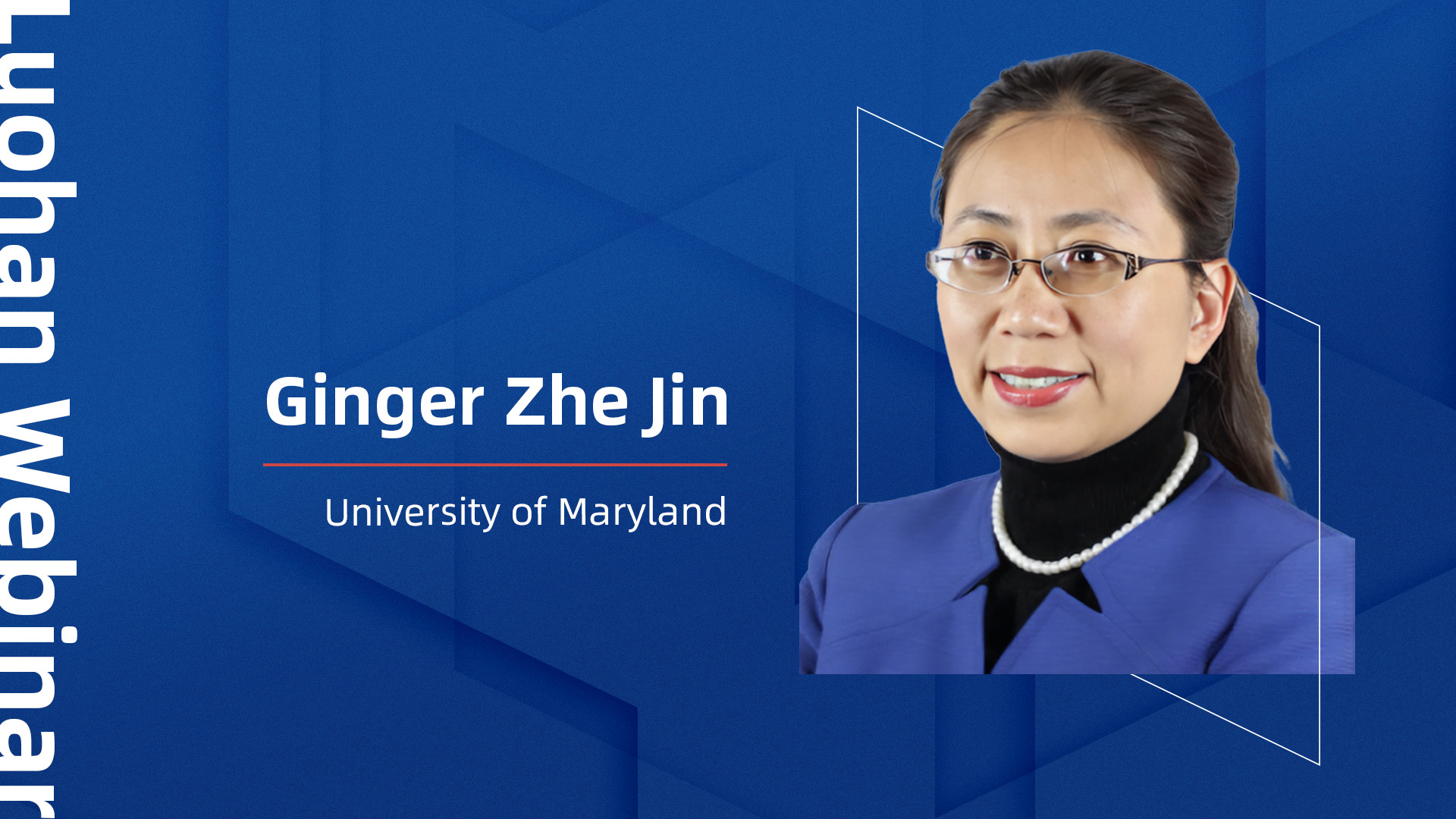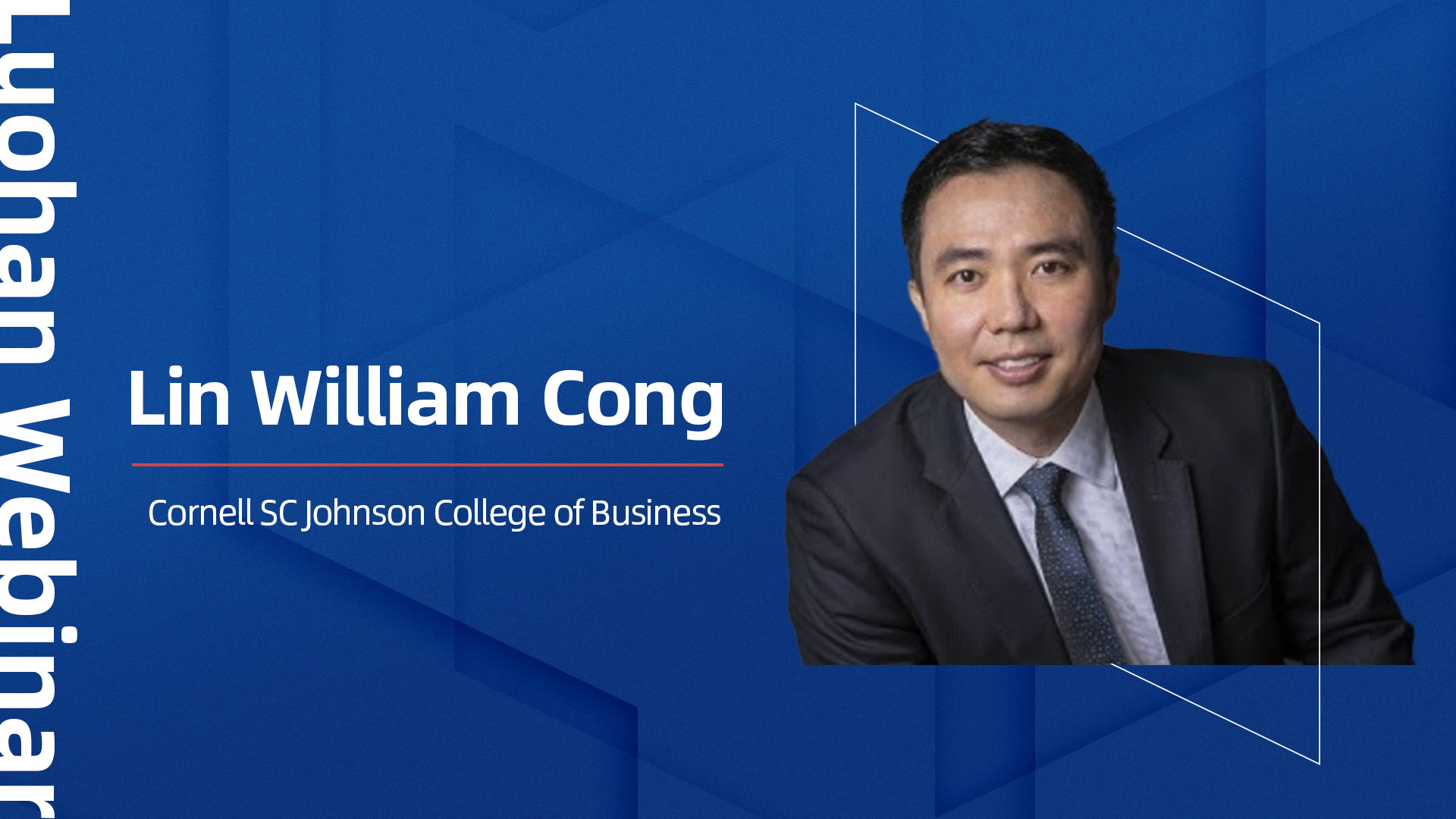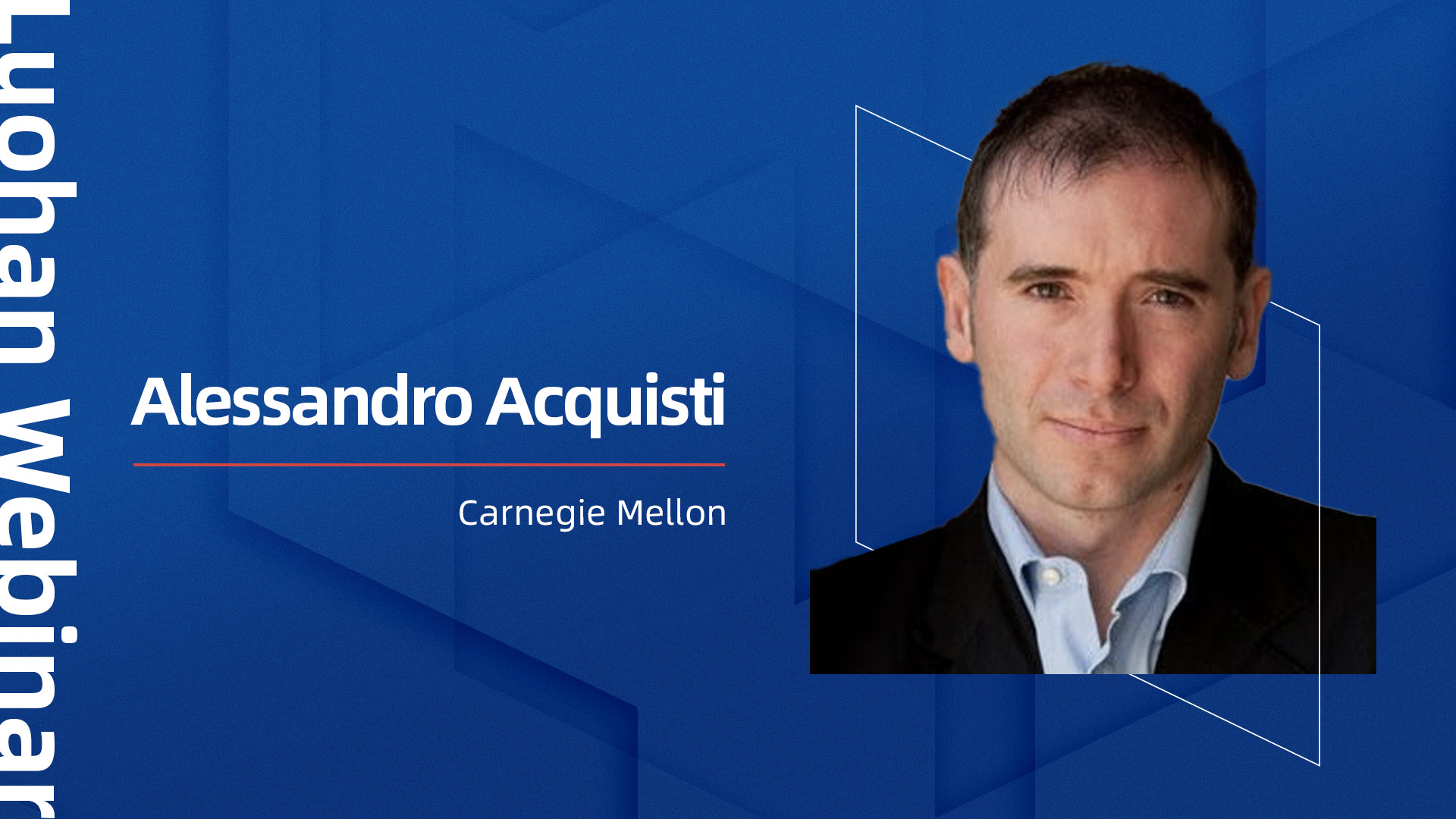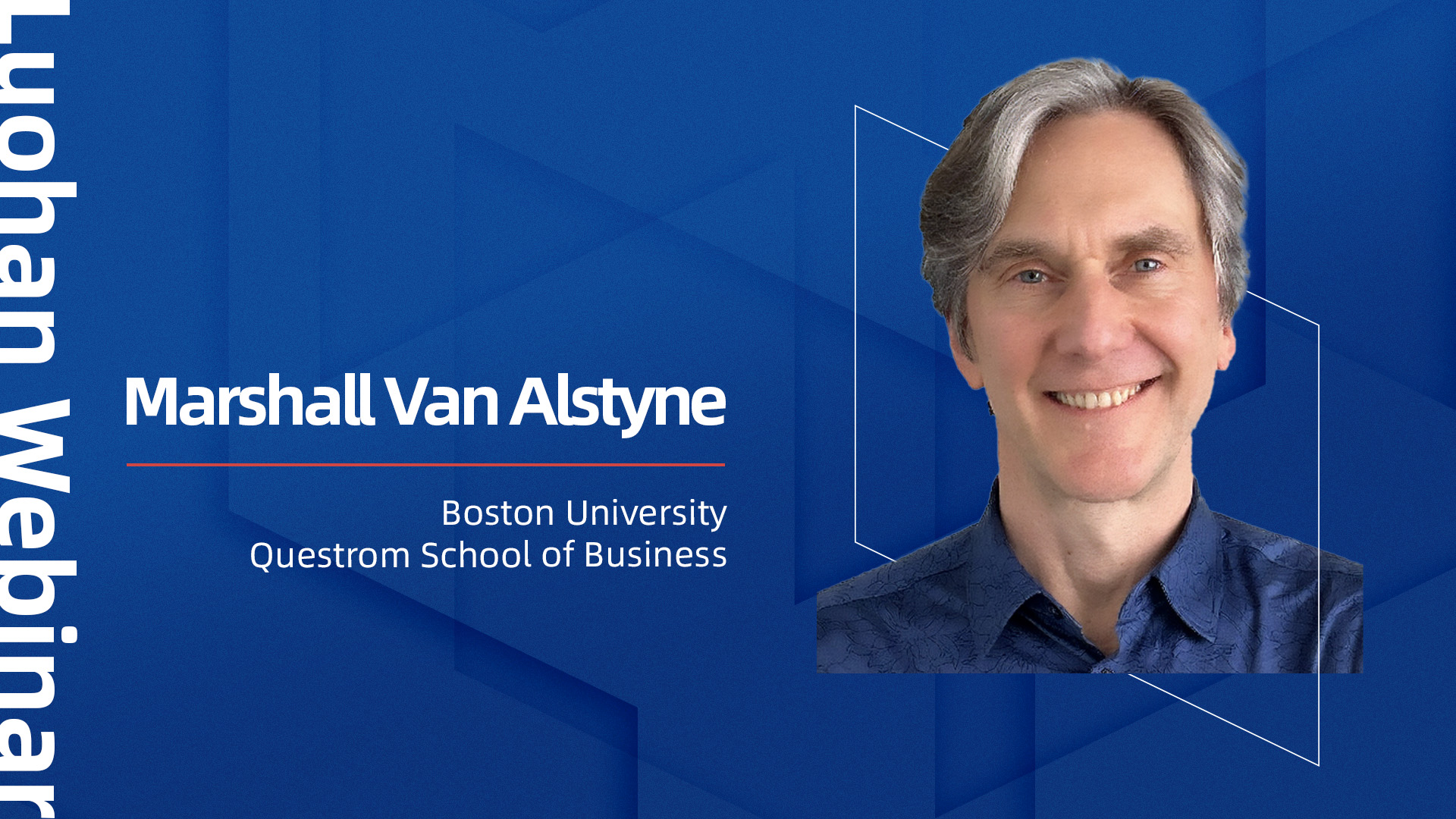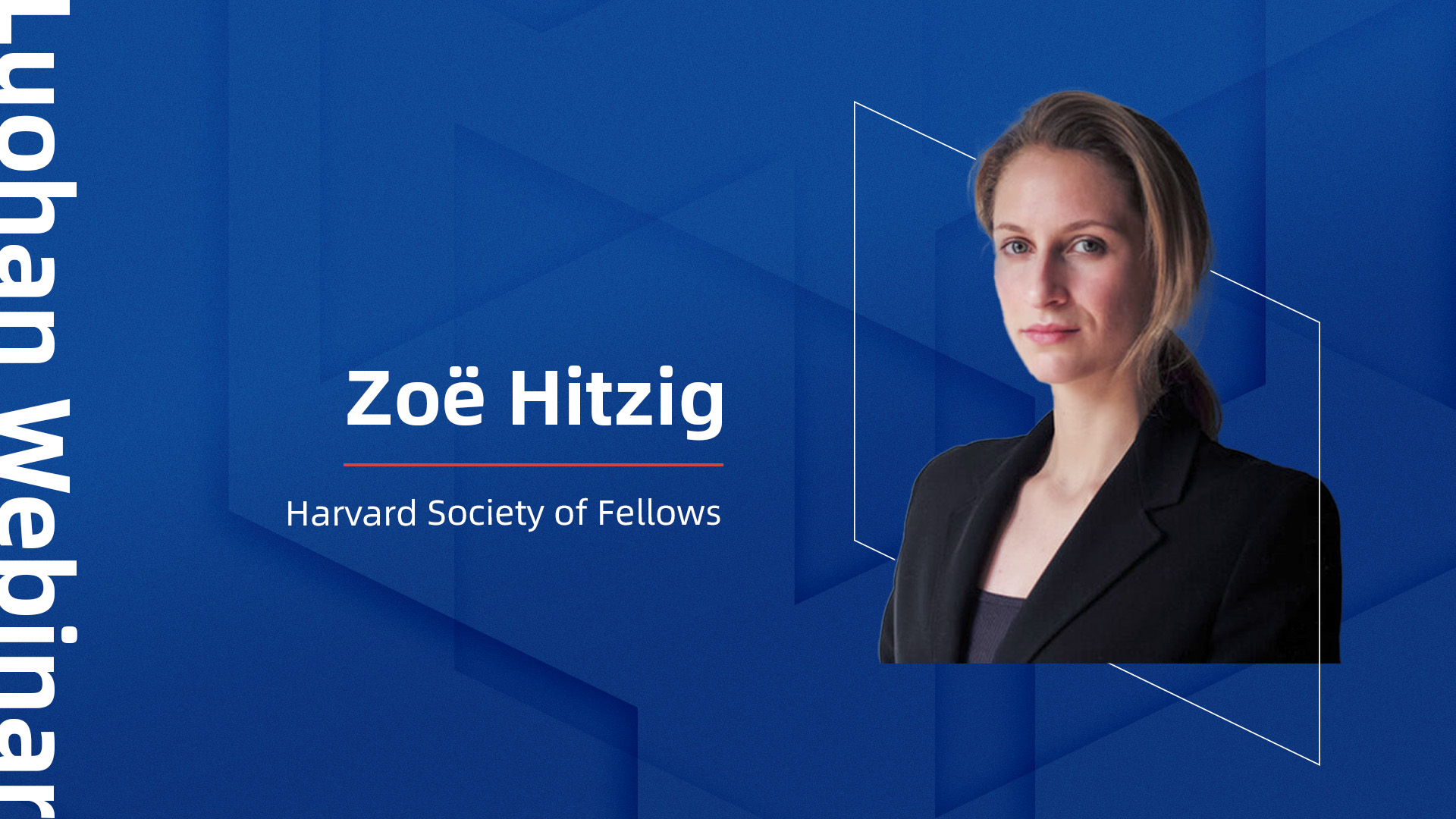
Andrew Ching, PhD (University of Minnesota), is a full professor in the Carey Business School at the Johns Hopkins University, where he is also jointly appointed at the Department of Economics, and the Bloomberg School of Public Health. He is the co-founder and Research Director of Digital Business Development Initiative (DBDI), a core faculty at Hopkins Business of Health Initiative (HBHI), and a faculty associate at Canadian Centre of Health Economics (CCHE).
He is currently serving as a member of editorial boards for Journal of Marketing Research, International Journal of Research in Marketing, Review of Marketing Science, and International Journal of Pharmaceutical and Healthcare Marketing, and a topic editor for Journal of Risk and Financial Management.
His research focuses on developing new empirical structural models and estimation methods to understand the forward-looking, strategic, learning, state dependence, and bounded rational behavior of consumers & firms under complex environments. His latest research focuses on modeling how consumers and firms adaptively learn in a changing world using AI and machine learning tools.
Abstract
Using Instagram's recently introduced collaborative post feature, which lets brands credit creators in shared posts seen by the brand's followers, this study quantifies the value of exposure to a brand's audience for small creators. We collect a new dataset which consists of all collaborative posts between 260 large beauty/clothing brands and small creators, as well as a daily panel of follower counts for creators. Leveraging the high frequency of the panel, we identify changes in creators' follower counts after the collaborative post in a difference-in-differences analysis. We address creator and post content selection through propensity score matching, using creator characteristics and LLM-derived visual content embeddings to match treatment and control posts. Our estimates suggest that exposure to a brand's audience through a collaborative post increases a creator's cumulative followers by 0.47%, or roughly one week's worth of growth. Although larger brand audiences lead to more growth all else equal, larger brands tend to have less engaged followers and lower quality collaborative posts. This leads to stable treatment effects from collaboration with brands that have between 0.7m and 8.6m followers. The top 10% of collaborations average 2.1% follower growth for the creator. Our average conversion rate from brand followers to creator followers is similar to the effect of online display ads estimated in the literature.
If you would like to give a presentation in a future webinar, contact our Senior Economist Dr. Wen Chen (wen.chen@luohanacademy.com). For other inquiries, please contact: events@luohanacademy.com.